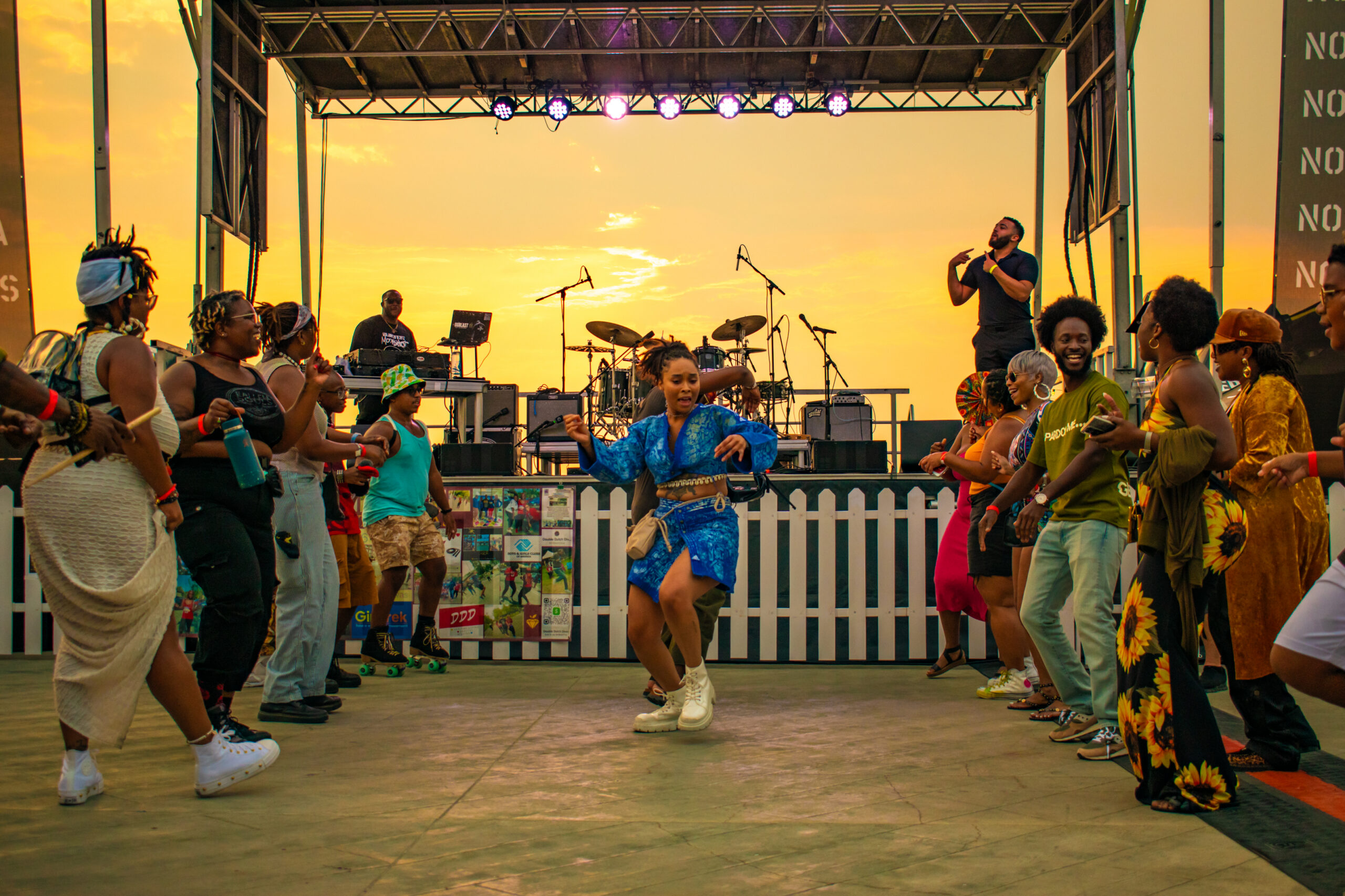
“The role of the artist is to make the revolution irresistible.” — Toni Cade Bambara
Black music has always been more than entertainment. It has been a tool for survival, a vehicle for truth-telling, and a catalyst for collective action. From the spirituals sung by enslaved Africans to jazz, hip-hop, and contemporary R&B, Black communities have used music to preserve history, challenge injustice, and imagine new possibilities.
Throughout generations of struggle and triumph, music has helped transform individual experiences into collective movements. It has rallied communities, amplified demands for justice, and offered healing in moments of grief. In the pursuit of Black liberation and in the ongoing fight for queer liberation, artists and musicians have not merely reflected social change. They have helped create it.
Black Queer Artists and the Pursuit of Collective Liberation
The story of Black liberation cannot be told without acknowledging the leadership, creativity, and vision of Black queer artists.
Throughout history, Black queer musicians have pushed cultural boundaries, challenged restrictive norms, and expanded our collective understanding of freedom. Often navigating racism, homophobia, transphobia, and economic exclusion simultaneously, these artists have transformed music into a space for radical self-expression and community building.
Artists such as Sylvester, Grace Jones, Meshell Ndegeocello, Big Freedia, Janelle Monáe, Frank Ocean, Durand Bernar, and many others have used their platforms not only to create groundbreaking music, but also to affirm the humanity and dignity of Black LGBTQ+ communities.
Their contributions remind us that liberation is interconnected. We cannot build a world free from racial oppression while leaving queer and trans people behind. Black queer artists have long shown us what it looks like to live boldly, create fearlessly, and insist on belonging in spaces that were not built with them in mind.
In many ways, Black queer musicians have expanded the very definition of freedom, inviting all of us to imagine a world where people can live fully and authentically.
Washington Voices: Music and Movement in Our Communities
Here in Washington State, Black artists continue to use music as a tool for storytelling, community building, and social change:
- Seattle-based hip-hop and soul duo Black Stax was founded with a mission to honor Black arts and culture while blending artistic expression with community activism. Through partnerships with youth organizations and cultural groups, they demonstrate how music can be used to strengthen community and advance social justice.
- Seattle’s Marshall Law Band has become known for centering themes of empowerment, human rights, and community change in its work. Often referred to as a musical force within local Black Lives Matter organizing, the group uses performance as a vehicle for education, healing, and action.
- Classically trained Seattle cellist and organizer Ebony Miranda has spoken openly about challenging exclusion within predominantly white musical institutions while using their art to amplify conversations about racial justice and systemic oppression. Their work demonstrates that resistance can take many forms, including experimental sound, performance, and community organizing.
- Organizations such as The Sound of the Northwest have also helped preserve the legacy of Negro spirituals, ensuring that younger generations remain connected to the songs and stories that sustained Black communities through centuries of struggle and perseverance.
These artists and collectives remind us that music is not separate from movement work. It is movement work.
Music has carried us through moments of joy and moments of grief. It has accompanied marches, worship services, family reunions, community celebrations, and acts of resistance. It has reminded us who we are and what is possible. As we celebrate Black Music Month and honor the ongoing work of liberation, we recognize the artists, musicians, storytellers, and cultural workers who continue to help our communities imagine new futures.
Before it becomes policy or legislation, sometimes, freedom sounds like a choir singing in harmony. Sometimes, it sounds like a protest chant echoing through city streets. Sometimes, it sounds like a beat, a melody, or a voice refusing to be silenced.
Sometimes, liberation begins with a song.
Black Music as Memory, Resistance, and Possibility
« Back to Stories & Updates