On April 29, 2026, the United States Supreme Court gutted a key piece of the Voting Rights Act, leaving Black communities across the country vulnerable to systemic voter suppression. The ripple effect was immediate, with states like Tennessee passing new congressional maps that divided the state’s lone majority-Black Memphis district.
But people are fighting back. As we always have.
A Collective Effort Against Suppression
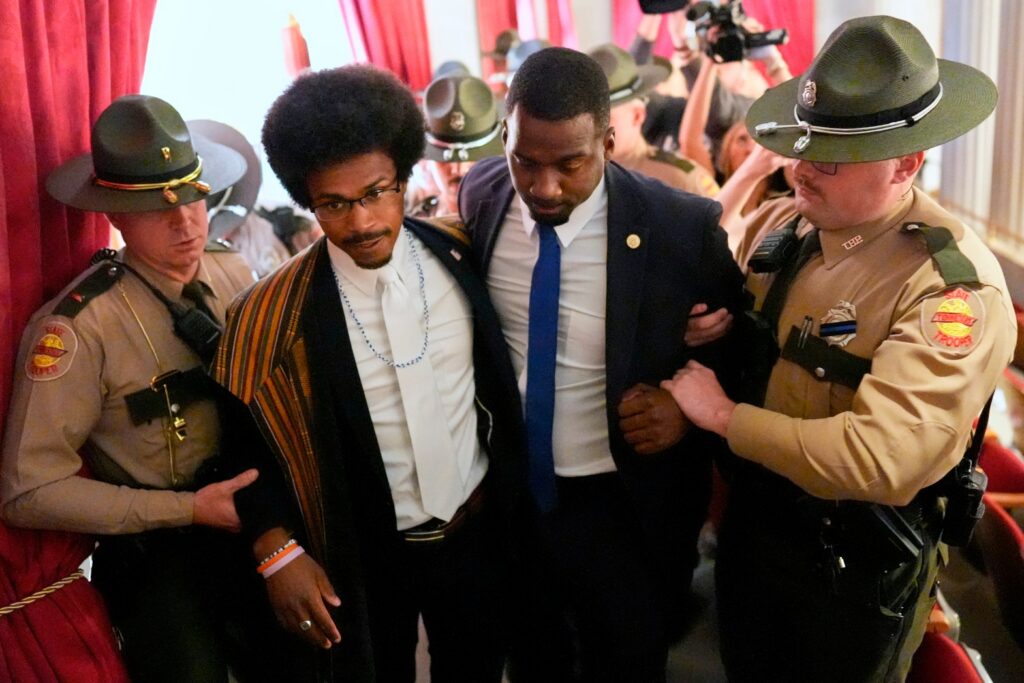
Across social media, videos are cropping up of Black communities speaking truth to power. Political figures like Tennessee State Representative Justin J. Pearson confronted lawmakers and state troopers in the state legislature’s successful attempt to eliminate the state’s only Black majority district, where he emphasized the resilience of our people and a promise to fight back against injustice.
Rep. Justin J. Pearson, D-Memphis, and his brother KeShaun Pearson arrested and removed from the Tennessee House gallery during a special session of the state legislature to redraw U.S. Congressional voting maps. (Photograph: George Walker IV / AP Photo)
“Today, you will take the only Black-majority district from us. But I want you to know: No matter what you do, no matter how much you try to break us & make us bend & quit — we will still be here.” – Justin J. Pearson
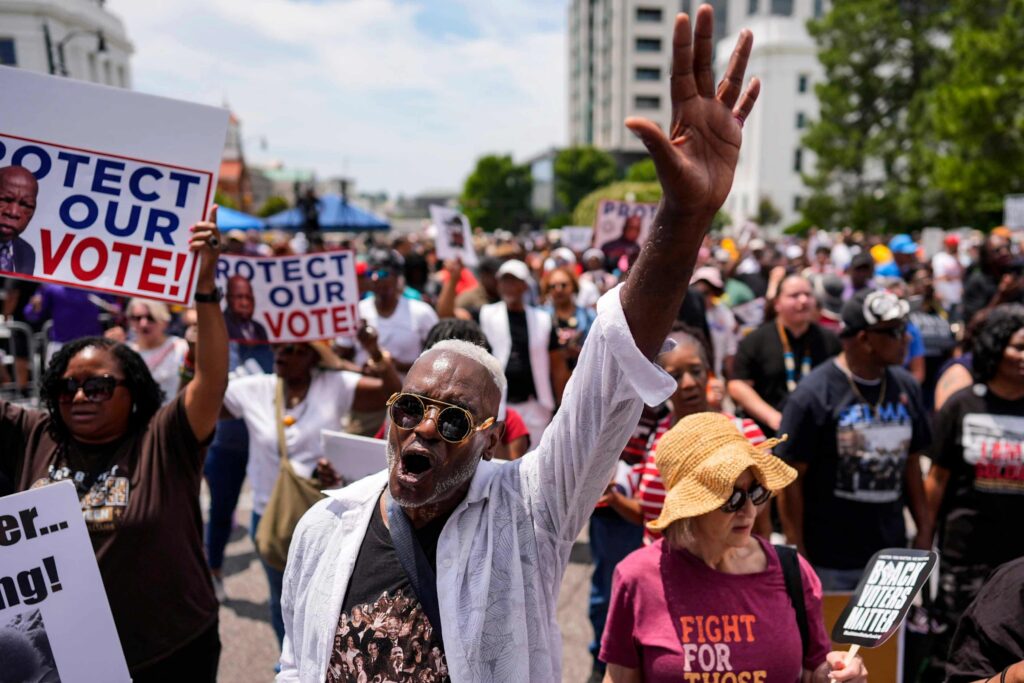
Across Alabama, thousands of protestors took to the streets to protest redistricting by southern state legislatures. The city of Montgomery saw over 5,000 activists, politicians, and community members show up for the “All Roads Lead To The South” campaign, a national day of action to organize voters and build power for the road ahead.
In Selma, Alabama, hundreds of protestors of all ages marched silently across the historic Edmund Pettus Bridge, 61 years after Bloody Sunday, where 600 civil rights protestors were brutally attacked by law enforcement, and was a pivotal catalyst in the passage of the Voting Rights Act.
Protestors at the “All Roads Lead South” protests on May 16, 2026. (Photograph: Mike Stewart/AP)
In Washington State, organizations like the ACLU of Washington are condemning the Supreme Court ruling, providing education resources on voting rights. We See You grantee organizations like Washington Community Alliance are closing the representation gap for people of color in elected office. Community organizations like grantee organization Kent Black Action Commission are giving Black communities a participatory voice in local politics, providing spaces for Black needs, concerns, and perspectives to be heard. Across the country, action is building, and change is brewing.
How Philanthropy Can Step Up
We are at a critical time in history, one that requires immediate but long-term action. Black communities need more than just statements of solidarity, but real, concrete action. As community members and activists risk their lives and autonomy to protest the rise of authoritarianism, philanthropy must be bold and provide real, sustained investment that supports changemaking organizations pushing the needle.
This looks like long-term funding for Black-led organizations providing aid and support systems to our country’s most vulnerable communities. This means providing rapid-response resources for organizations facing surveillance or prosecution. This means working with communities to build infrastructure that supports those working on the front lines. This means acknowledging community leaders are experts in their respective fields, and collaborating to make impactful change.
Now is the time for philanthropy to be courageous in the face of institutional intimidation and suppression. By building, supporting, and collaborating with changemaking organizations, we can take those pivotal steps towards the reclamation and protection of our civil rights.