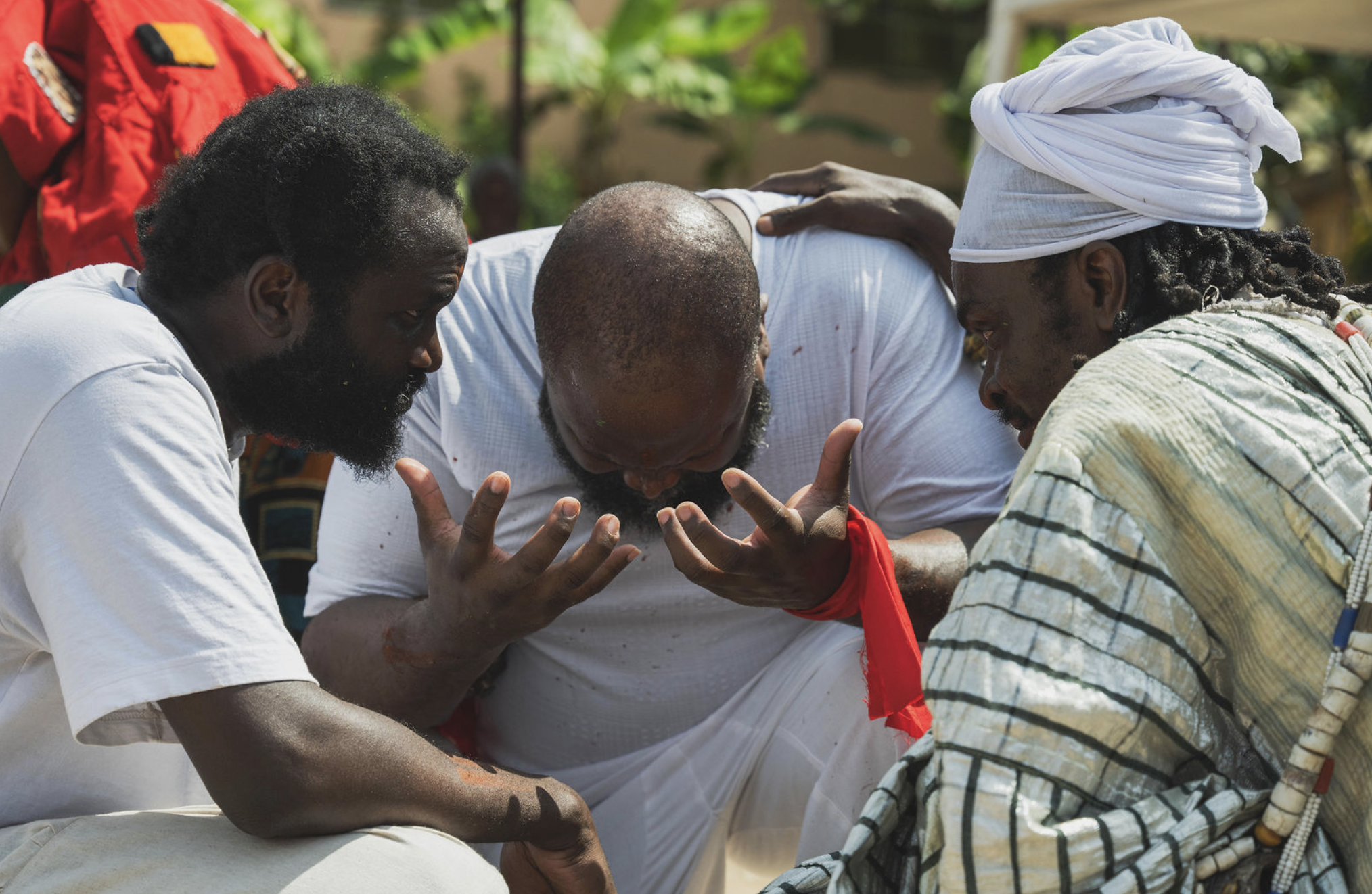
Black religious institutions have always been more than places of worship. They are gathering spaces, strategy rooms, cultural anchors, and sanctuaries for truth‑telling. Across Washington state and throughout the nation, Black faith spaces have carried forward a long tradition of civic engagement—one grounded in spiritual conviction and a deep belief in the dignity of Black life.
A Legacy Rooted in Faith and Action
The civic leadership of Black religious institutions did not begin with the Civil Rights Movement. It reaches back centuries, to the earliest days of Black life in America, when faith communities were among the only spaces where enslaved and free Black people could gather, learn, and imagine liberation.
During enslavement, the church was often the only institution where it was socially acceptable—or at least less suspicious—for Black people to learn to read. Under the guise of studying scripture, many enslaved people gained literacy skills that later became essential tools for resistance.
Biblical metaphor also became a powerful political language. Stories of Exodus, liberation, and deliverance were not abstract spiritual ideas—they were coded messages of resistance. Harriet Tubman, often called “Moses,” embodied this tradition. Many Black churches and faith leaders played direct roles in the Underground Railroad, offering shelter, strategy, and spiritual grounding for those seeking freedom. Faith was not separate from the work of liberation; it was the engine that powered it.
As Black communities formed independent congregations in the North and later throughout the country, these institutions became early civic centers. They hosted abolitionist meetings, raised funds for Freedmen’s schools, and resisted the violence of Jim Crow. In Washington state, early Black settlers brought this tradition with them. By the late 1800s, churches like Seattle’s First African Methodist Episcopal Church (founded in 1886) were already serving as hubs for political advocacy, education, and community self‑determination. This long arc of faith‑rooted civic engagement laid the foundation for the Civil Rights Movement.
“Our ancestors didn’t separate faith from freedom work. For them, liberation was a spiritual mandate.” — Rev. Dr. Linda Smith, Seattle faith leader
Cross‑Faith Organizing: A Tradition of Shared Struggle
One of the most inspiring aspects of Black civic engagement is the way it bridges faith traditions. Interfaith coalitions—Christian, Muslim, Jewish, and beyond—have repeatedly come together to confront injustice.
In Washington, groups like the Faith Action Network (FAN) have partnered with Black churches and mosques to advocate for police reform, immigrant rights, and economic justice. These collaborations reflect a long‑standing truth: movements are strongest when they are spiritually diverse and united by shared values.
“When we show up together—Muslim, Christian, Jewish, and beyond—we remind the world that justice has no denominational boundaries.” — Imam Kareem Jackson, South King County
Modern Movements, Modern Impact
Today’s Black faith leaders continue to carry forward the work in new and innovative ways, building on centuries of spiritual resistance and community organizing. Across Washington state, Black churches, mosques, and interfaith coalitions continue to shape civic life in tangible, measurable ways:
Offering spaces of safety, solace, and connection
- As the oldest Black church in Thurston County, New Life Baptist Church has long served as a spiritual and cultural cornerstone in a region where faith spaces for Black communities were few and far between. Newer churches like Onechurch continue to build intentional spaces for future generations, prioritizing community-building into their faith.
Voter mobilization and civic education led by Black churches
- In Seattle’s Central District, congregations like Mount Zion Baptist Church and First AME Church have become trusted hubs for voter registration drives, candidate forums, and ballot‑education workshops.
Interfaith coalitions pushing for statewide policy change
- Black faith leaders have been central to the work of the Faith Action Network (FAN), Washington Community Action Network (Washington CAN!), and the Washington Black Lives Matter Alliance, helping advance legislation on police accountability, sentencing reform, and housing justice.
Building youth leadership and community safety
- In South Seattle and South King County, Black Muslim communities are leading powerful civic initiatives. The Muslim Association of Puget Sound’s Black Muslim youth programs, along with independent Black Muslim organizations in Seattle and Kent, have created mentorship pipelines, entrepreneurship workshops, and community safety initiatives rooted in restorative justice.
Congregation‑based community development meeting immediate needs and shaping long‑term solutions
- Churches like Freedom Church of Seattle provide food, rent, mortgage assistance, transportation, and other supportive services to primarily low-income individuals and families.
These examples remind us that civic engagement is not just about elections or protests. It’s about building the conditions for communities to thrive—spiritually, politically, and materially.
“Our churches and mosques aren’t just places to pray. They’re places where we build power, protect our people, and dream bigger for our communities.” — Pastor Michael Bennett, Tacoma
The Role of Philanthropy: Investing in the Institutions That Invest in Us
Philanthropy has a critical role to play in sustaining this work. Historically, Black religious institutions have been underfunded despite being among the most trusted and effective community anchors. Too often, funders overlook them because their work doesn’t always fit neatly into program categories or because their civic engagement is seen as “too political.”
But the truth is simple:
If we want strong movements, we must invest in the institutions that have always carried our communities through moments of crisis and transformation.
Philanthropy can:
- Provide unrestricted funding that allows churches and mosques to respond quickly to community needs.
- Support interfaith organizing that builds bridges across traditions.
- Invest in leadership development for young Black faith leaders.
- Fund civic engagement infrastructure, from voter education to policy advocacy.
These investments are not just charitable—they are strategic. They strengthen the civic fabric of our communities and ensure that Black voices remain central in shaping our shared future.
In the words of Fannie Lou Hamer, “Nobody’s free until everybody’s free.” Black religious institutions have carried that truth for generations, and with continued support—from philanthropy, from community members, and from interfaith partners—they will continue to carry it forward.