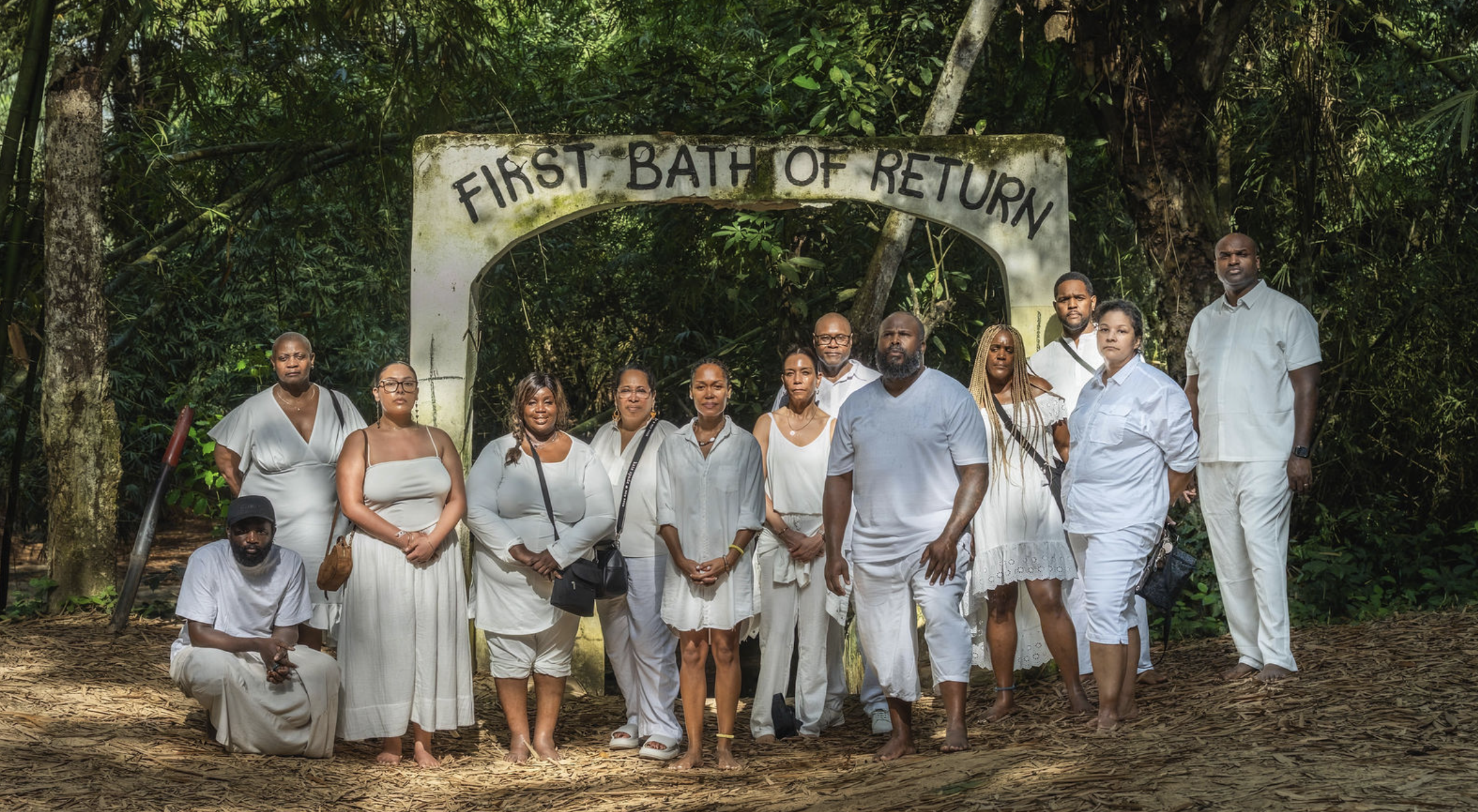
In December 2025, the Black Future Co-op Fund invited some of our grantee partners on a trip to Ghana as an opportunity for connection, reflection, and ancestral healing.
Sparked by a writing retreat that BFCF Architect Angela Jones took to Ghana, the Fund has led three transformative journeys to Ghana since 2023, each trip designed around three core pillars: respite and restoration, African heritage experiences, and collective learning. These experiences offer Black leaders the opportunity to reconnect with ancestral roots, release pain and trauma passed down through generations, and allow space for deep self-reflection and healing.
Each trip, the cohorts visit the Cape Coast and Elmina slave dungeons—a profound and necessary reckoning with our ancestors’ suffering and resilience. From walking through the Door of No Return, standing within the holding cells, and feeling the weight that the air carries within our own bodies. This site is an intentional visit, encouraging leaders to let go and release. For many, this is where the tears flow, the rage surfaces, and something within us shifts. It is a time to hold space for the complicated emotions that emerge, to process, and to honor the tension our bodies carry.
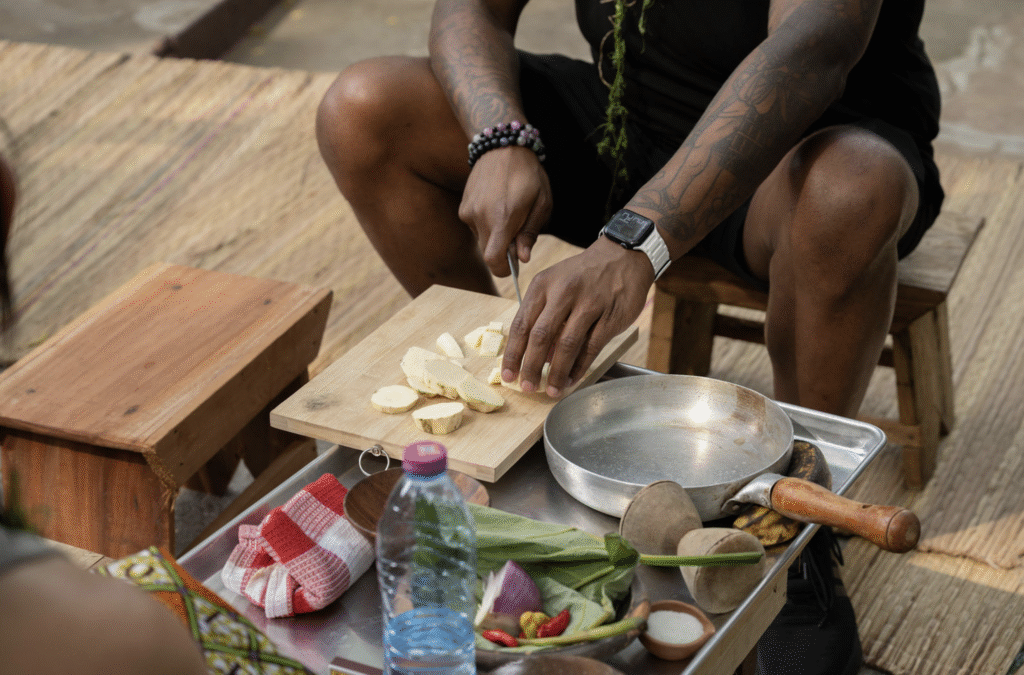
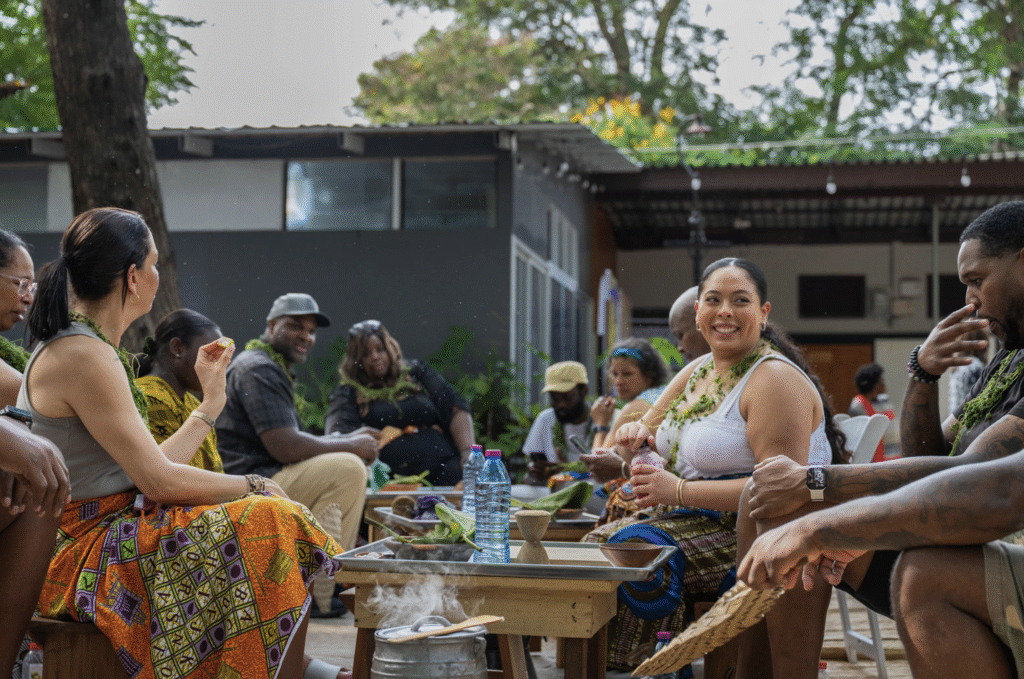
This trip is also designed to engage the senses. From partnering with renowned local chefs that tell stories through food, to participating in traditional dances that speak history through movement, to learning the history of traditional instruments like the djembe and how these rhythms traveled across the ocean and through Black American music. Grantee leaders are able to use their hands, their voices, and their hearts to create lasting memories and transformation.
Beyond the planned experiences, some of the most powerful moments during this trip happened in unexpected encounters—conversations with elders in the local markets, children running up to greet them, moments of recognition when Ghanaians would say ‘Akwaaba’ (meaning welcome home) and mean it. Power moved through the vibrant communities that surrounded us, the everyday bustle of human life.
Rest and community were also integral parts of the experience. Participants experienced mornings void of agendas, with afternoons lying by the ocean and evenings spent in reflection. This allowed time for deserved ease and relaxation, something that is not often available to nonprofit leaders. This also gave time for connection—sharing the feelings that were surfacing, processing emotions together. Leaders who arrived as strangers would leave as a family, bound by their shared experience and the deep commitment to the work they do.
For many leaders, this trip is a conflicting one—a place where they wrestle with feelings of joy and rage. Rage for the systems that inhibit Black communities, both within the African continent and in the diaspora. Rage for the centuries of extraction and systems designed to impoverish Africa while enriching the West. But there is also joy. Joy that we survived, we thrived, and we created beauty despite it all. Joy in connecting to ancestral roots, connecting to brothers and sisters bound by a shared history.
This trip was an opportunity for leaders to ground themselves in ancestral resilience, and reignite their passion for justice. Nonprofit work can be overwhelming. It can be exhausting, and it can feel like an uphill battle. However, when we remember what we are fighting for, where we came from, and what we have overcome, we can remember the transformative power of community action. How coming together and connecting, healing, and organizing leads to liberation.
It also reminds leaders that rest, joy, and beauty aren’t distractions from liberation work—they are essential pieces of the puzzle. If our ancestors created music, art, cuisine, and community even in bondage, then to choose joy and restoration is to honor their legacies.
It teaches leaders that resilience isn’t just survival, but insisting on Black people’s full humanity, our right to pleasure, and our capacity for joy, even as we fight for justice.
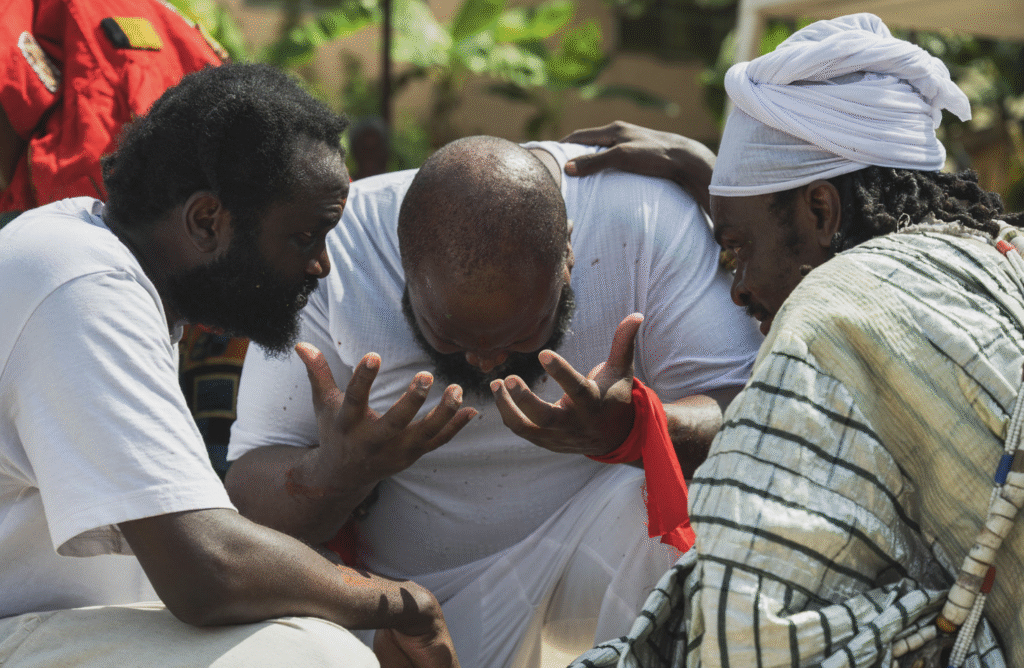
Coming back from Ghana, leaders consistently described their experiences as “healing”, “life changing”, and the feeling of “coming home”. They returned to the U.S. with a renewed sense of purpose, a deeper connection to their ancestry, and embodied practices that they can carry forward. Numerous participants mentioned how this trip fundamentally shifted how they lead—centering groundedness, joy, and rest—and reminded them why this work matters. Our visit to Ghana doesn’t just teach us where we come from. It reminds us of who we are and what we are capable of when we are well-resourced, connected, and free.